Students in the University of Arkansas College of Education and Health Professions participate in a variety of immersive experiences, including internships, practicums, research, service learning, study abroad, interprofessional education, and more.
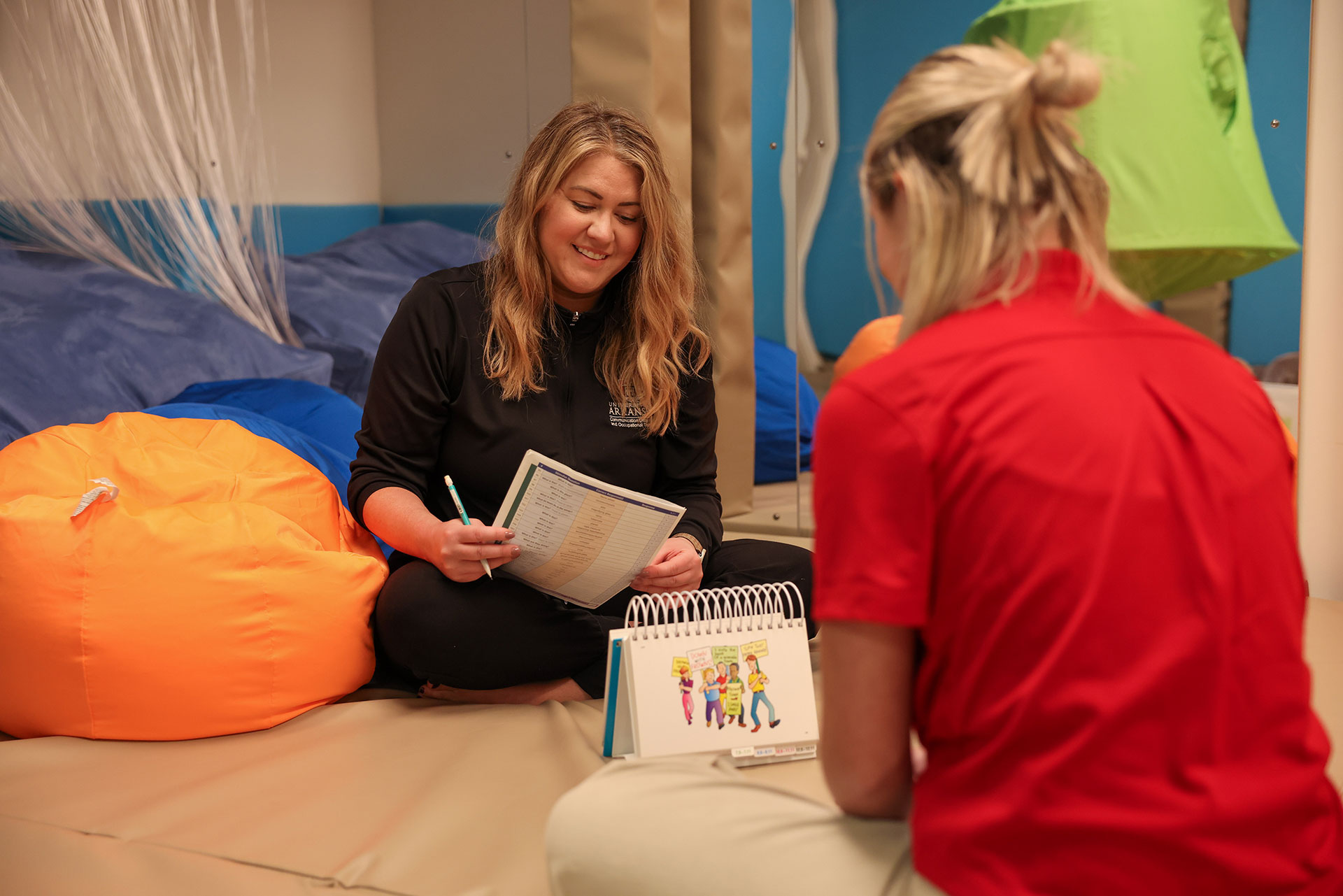
How do students gain hands-on skills?
The college partners with 1,300+ schools, clinics, hospitals, nonprofits, and community organizations across the United States, including over 700 of them in Arkansas, giving students opportunities to practice their skills in authentic professional settings. These transformative internships, practicums, and clinical experiences prepare students for careers in teaching, nursing, speech-language pathology, public health, recreation and sport management, counseling, occupational therapy, athletic training, human performance research, and more. Direct training helps ensure students are well-equipped in their chosen health or education field.
Schools, clinics, hospitals, nonprofits, and community partners provide students with real-world learning opportunities
Students participate in internships and clinical experiences each year
Alumni offer an extensive network to support career success
Explore Experiential Learning Opportunities
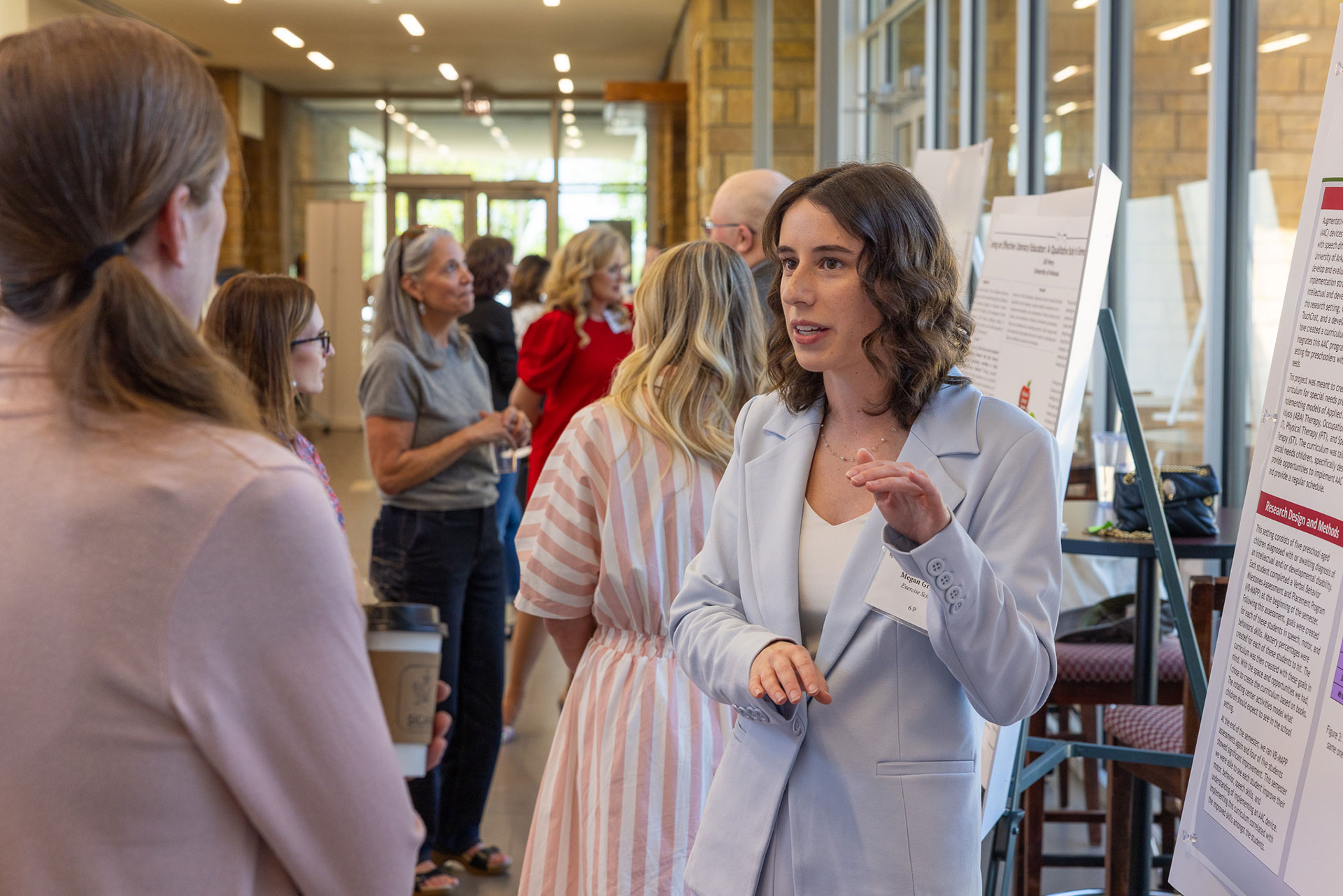
How do students immerse in research?
Students engage in impactful research and share their discoveries at various events, including the Department of Health, Human Performance and Recreation's Innovation Showcase and Nursing Science Day, as well as through the Honors program. These experiences enhance academic growth and empower students to make valuable contributions to their fields.
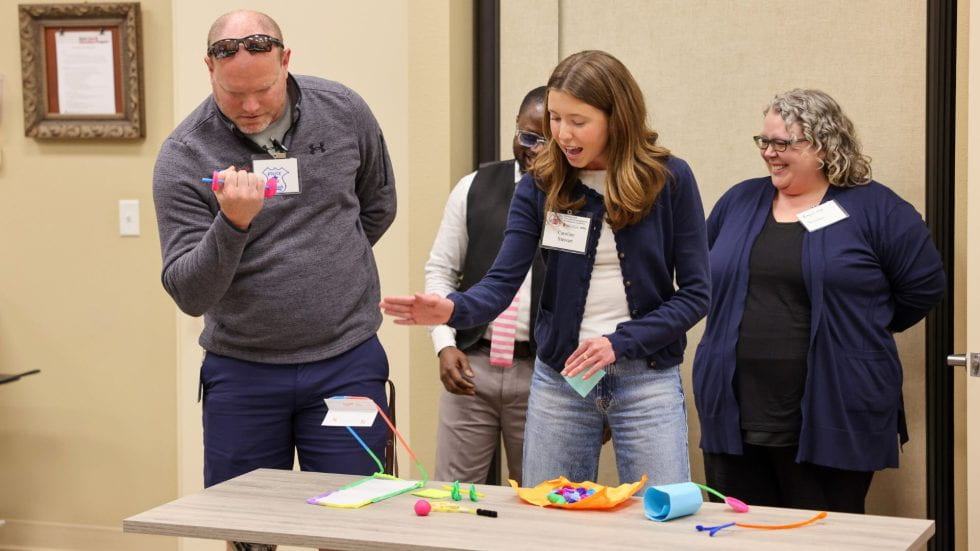
How do students build entrepreneurial skills?
Students collaborate across health and education disciplines to design solutions for real-world challenges through design thinking workshops, interdisciplinary learning, and unique course offerings. The college fosters innovation and entrepreneurship to respond to education and health challenges in Arkansas and beyond.
Students have access to opportunities such as:
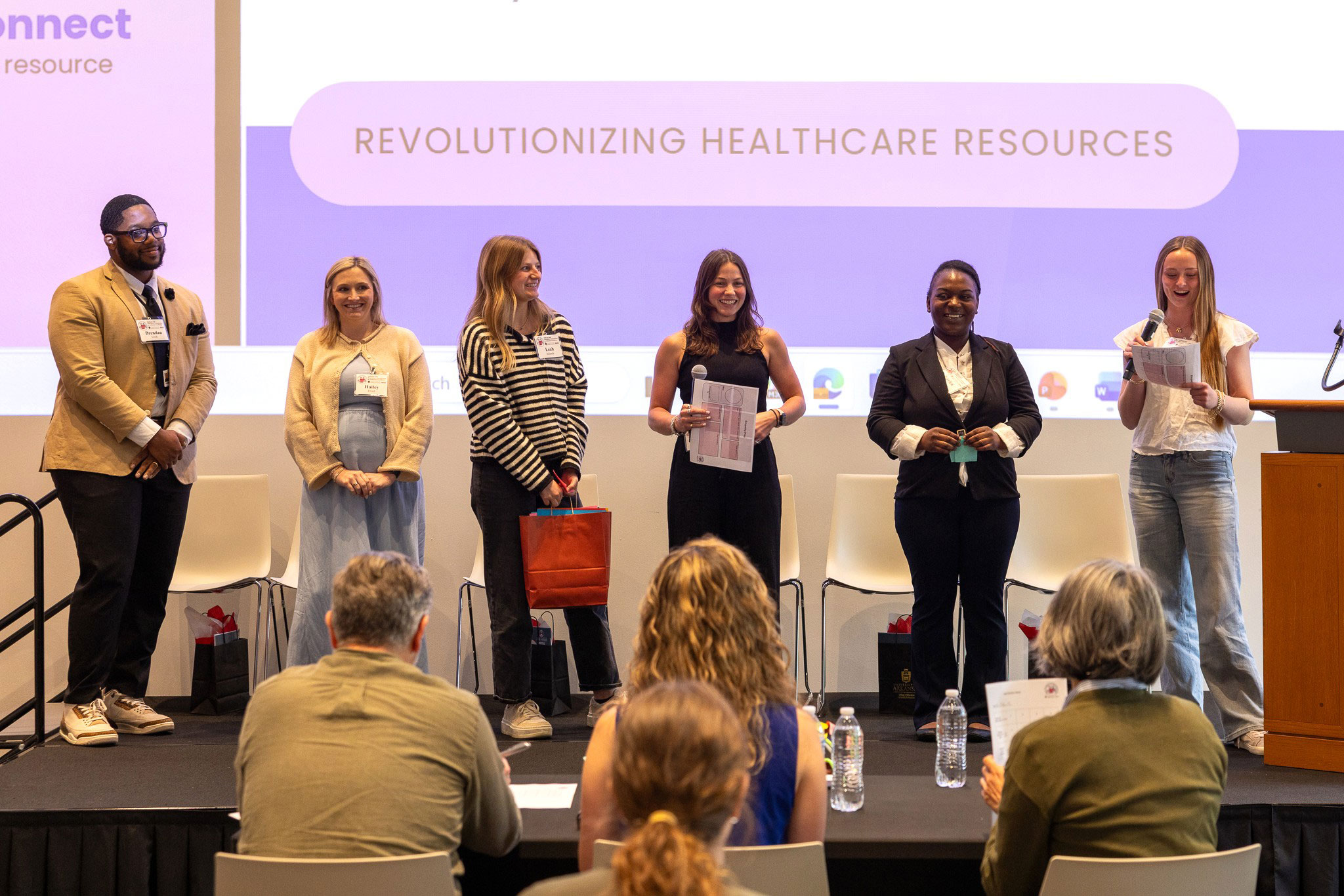
Innovate for Healthcare and Education (I4HE) Academy
The Innovate for Healthcare and Education (I4HE) Academy demystifies entrepreneurship and challenges students to solve real-world problems in their respective fields through teamwork and “Shark Tank”-style project pitches. Students from majors like public health, exercise science, and education design creative solutions for systemic problems.
Interprofessional Education (IPE)
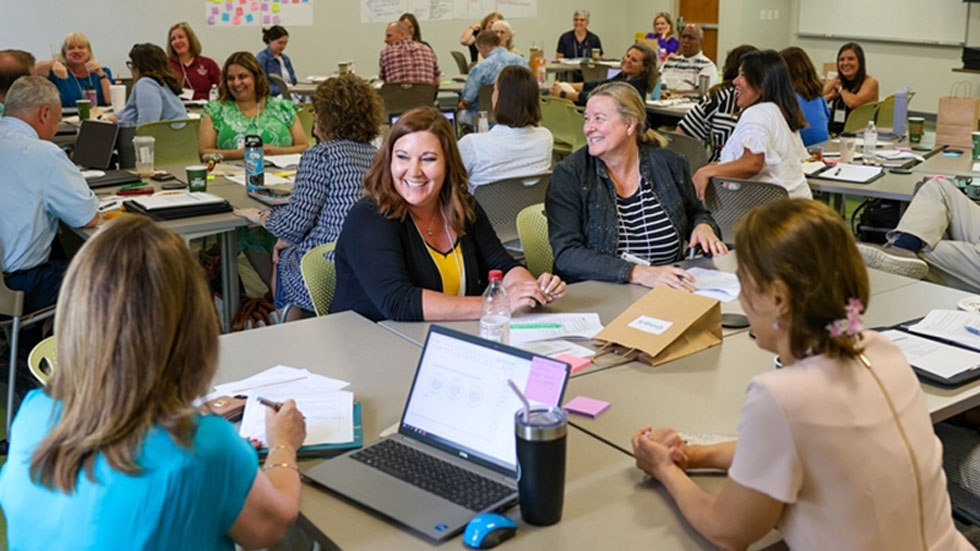
Interprofessional Education (IPE) prepares students to work with people in professions outside their area of study to improve outcomes for future patients, clients, and communities. The college's IPE council trains faculty, students, and staff in best practices, equips future professionals to work collaboratively, and offers research support.
Dean’s Seminars
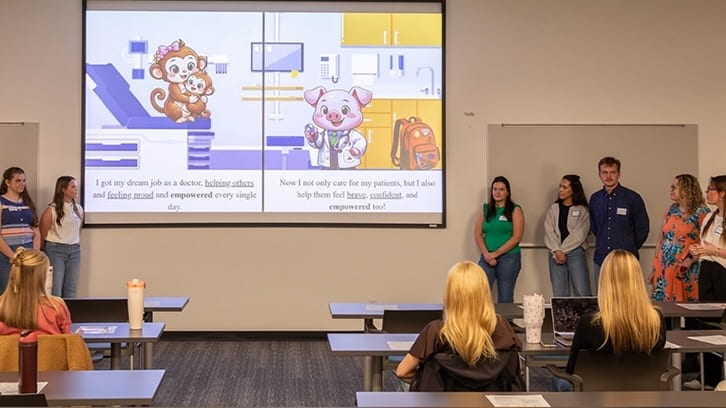
The college offers students the unique opportunity to explore topics like outdoor adventure, leadership philosophies, mind-body connection, workplace health, and the art of self-care for caregivers through its transformative Dean’s Seminar series. The courses are open to students from any major and feature a new theme every spring and fall.
Service Learning
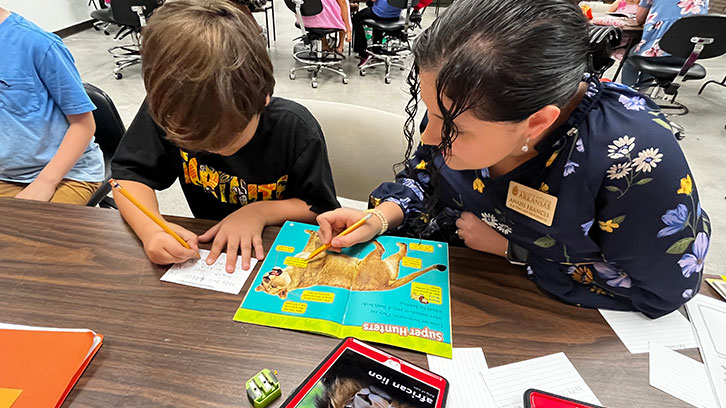
In the 2025-2026 academic year, the college’s faculty taught 71 designated Service Learning course sections with 1,061 students. These courses fuse classroom knowledge with community engagement. Students address real community needs, enhancing their professional skills, critical thinking, and civic responsibility through meaningful projects.